Fatty Liver: 5 Vegetables That May Support Liver Health
Spinach, Broccoli, Brussels Sprouts, Carrots and Bottle Gourd Can Be Included in a Balanced Diet

Today, an unhealthy lifestyle, poor eating habits and inadequate sleep are contributing to a range of health problems. Diabetes and fatty liver are among the conditions increasingly linked to lifestyle and metabolic health.
People often try to improve their health by making changes to their diet and daily routine. If you have fatty liver, there is no need to panic. Along with medical advice, maintaining a healthy weight, eating a balanced diet and avoiding excessive unhealthy foods can help support liver health.
According to the information shared by gastroenterologist Dr. Yogananda Reddy of Bengaluru Gastro Centre, certain vegetables can be useful additions to a balanced diet for people dealing with fatty liver.
What Is Fatty Liver?
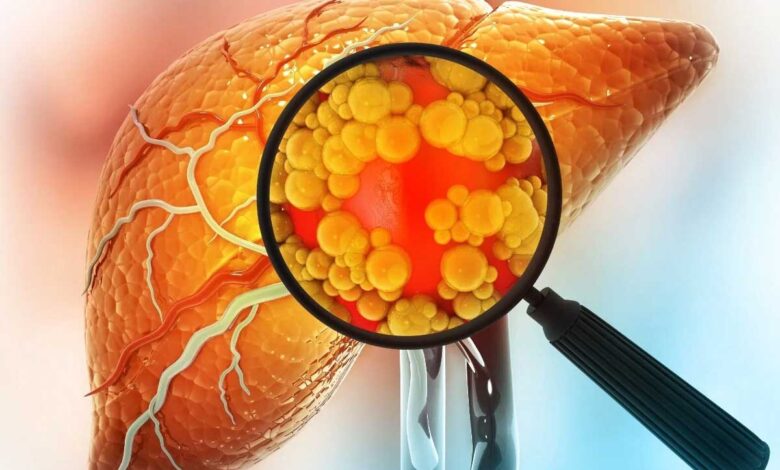
Fatty liver is a condition in which excess fat accumulates in the liver. Having a small amount of fat in the liver can be normal, but excessive accumulation may indicate fatty liver disease.
It is commonly associated with factors such as overweight or obesity, unhealthy eating habits, physical inactivity and metabolic problems.
5 Vegetables to Include in Your Diet
1. Spinach
Spinach contains fibre, iron, folate, vitamin A, vitamin C, vitamin K, magnesium and potassium.
Adding spinach to a balanced diet can help improve overall nutritional intake and support metabolic health. It can be consumed as a vegetable, added to salads or included in other healthy preparations.
2. Broccoli
Broccoli is a low-calorie vegetable that is rich in fibre. Fibre can help keep you feeling full for longer and can be useful as part of a healthy diet aimed at maintaining a healthy weight.
Broccoli also contains vitamin C, vitamin K, folate, potassium and calcium. Including it in meals can contribute to overall metabolic and nutritional health.
3. Brussels Sprouts
Brussels sprouts are another fibre-rich vegetable belonging to the cruciferous vegetable family.
They contain nutrients such as fibre, vitamin C, vitamin K, folate, potassium and manganese. Including Brussels sprouts as part of a balanced diet can increase fibre and nutrient intake and may support overall metabolic health.
4. Carrots
Carrots contain fibre and beta-carotene, which the body can convert into vitamin A.
They can be included in the diet in several ways, such as in salads, cooked vegetables or other healthy preparations. For people managing fatty liver, maintaining a balanced and nutrient-rich diet is important, and carrots can be one component of that diet.
5. Bottle Gourd and Bitter Gourd
Bottle gourd has a high water content and is relatively low in calories. It also provides fibre, vitamin C, potassium and other micronutrients.
Bitter gourd contains nutrients such as folate and potassium, along with various plant compounds.
Both vegetables can be included in a balanced diet to support overall metabolic health. However, bitter gourd should be consumed safely, and unusually bitter bottle gourd should not be eaten because it can contain naturally occurring toxic compounds.
Diet and Lifestyle Matter
Including healthy vegetables alone cannot cure fatty liver. A comprehensive approach that includes a balanced diet, regular physical activity, maintaining a healthy weight, adequate sleep and limiting highly processed and calorie-dense foods is important.
People diagnosed with fatty liver should also follow the advice of their doctor or dietitian, particularly if they have diabetes, obesity or other metabolic conditions.
Note: This article is for general health awareness and should not be considered a substitute for professional medical advice, diagnosis or treatment. If you have fatty liver or any other medical condition, consult a qualified healthcare professional before making significant changes to your diet.